Es gibt keine Website-Inhalte zu Ihrer Suchanfrage.
Website-Inhalte
Sie haben sich erfolgreich abgemeldet.


Prävention von Infektionen und Sepsis durch intravaskuläre Katheter
Das Ziel aller Hygienemaßnahmen ist die Reduktion von nosokomialen Infektionen und der Schutz der Mitarbeitenden vor berufsbedingten Infektionen. Um die Infektionsrate so gering wie möglich zu halten, sollte man den gesamten Prozess betrachten und optimieren sowie Bundle-Strategien entwickeln.
Fokusthema
Infektionen und Sepsis durch intravaskuläre Katheter in der Tiermedizin (ICRI – Intravascular Catheter Related Infections und CABSI – Catheter Associated Blood Stream Infections).
Mehr erfahren
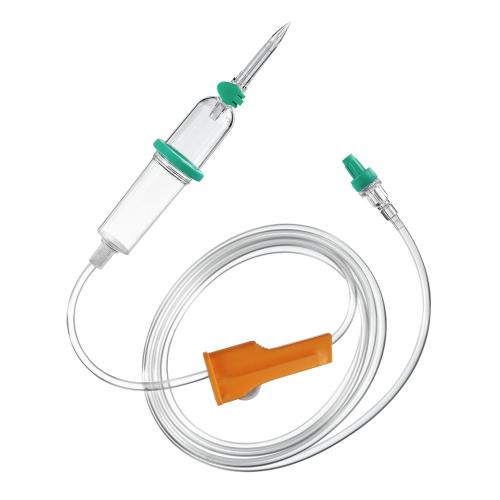
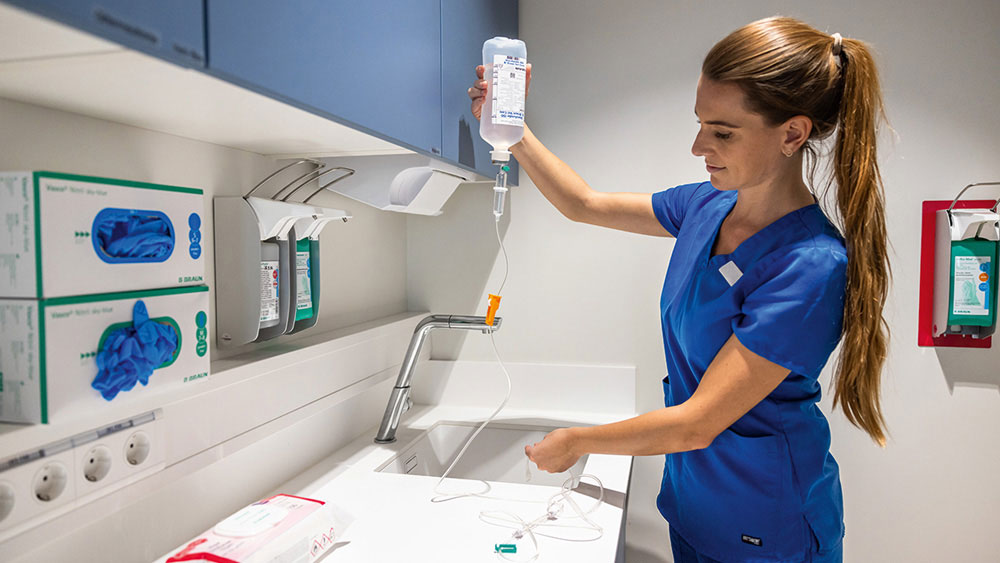
Umgang mit Infusionslösungen: Die Vorbereitung der Infusionslösungen ist eine aseptische Tätigkeit. Die Arbeitsfläche muss desinfiziert und eine hygienische Händedesinfektion (z. B. SoftaMan® pure) durchgeführt werden. Bei der Vorbereitung (Priming) der Infusionsleitung ist darauf zu achten, dass das Ansatzstück nicht kontaminiert wird. Infusionssysteme mit Primestop (z. B. Intrafix® SafeSet) helfen dabei, da die Schutzkappe der Infusionsleitung zum Priming nicht abgenommen werden muss. Ein weiterer Vorteil von Systemen wie dem Intrafix® SafeSet ist, dass durch den AirStop-Filter das System nicht leerläuft. Dadurch kann die Anzahl der Diskonnektion reduziert werden und damit wird die Gefahr der bakteriellen Kontamination des Katheters vermindert. Da eine Diskonnektion von Infusionslösungen des Patienten in der Tiermedizin im Vergleich zur Humanmedizin deutlich häufiger durchgeführt werden muss, sind die Empfehlungen hier nur bedingt anzuwenden. Aber gerade deswegen ist eine gute Basis- und Handhygiene für die Prävention entscheidend.
Bei jeder Diskonnektion ist die Infusionsleitung mit einem frischen, sterilen Verschlussstopfen zu verschließen und vor erneuter Konnektion ist der Luer-Lock Konnektor mit einer Sprühdesinfektion (z. B. Softasept® N) zu desinfizieren.
Auch der Einsatz von Infusionssystemen, die ohne Belüftung funktionieren (Ecoflac®), scheinen einen positiven Effekt auf die Reduktion von Infektionen zu haben.1
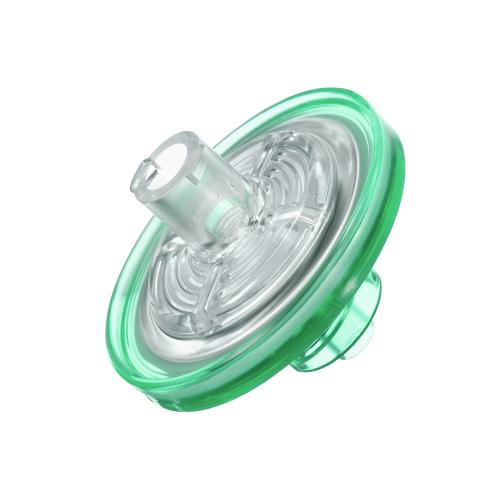
In-Line Filter (Bakterien und Partikelfilter wie Sterifix®) sind in der Lage, schwere Komplikationen bei Intensivpatienten, wie z. B. das Auftreten von SIRS, zu verhindern und sollten daher bei der Infusionstherapie von kritisch Kranken und intensivmedizinischen Patienten eingesetzt werden.2-4
Nutzungsdauer von Infusionssystemen: Die Wechselintervalle von Infusionssystemen liegen bei 96 Stunden. Dreiwegehahn und nadelfreie Konnektionssysteme sind hier ebenso inkludiert. Infusionssysteme, über die Lipidlösungen laufen, sind alle 24 Stunden zu wechseln. Transfusionssysteme für Blutprodukte müssen alle 6 Stunden gewechselt werden. Bei Kontamination eines Systems oder bei Hinweisen auf CRBSI sollte das gesamte System gewechselt werden.3-5
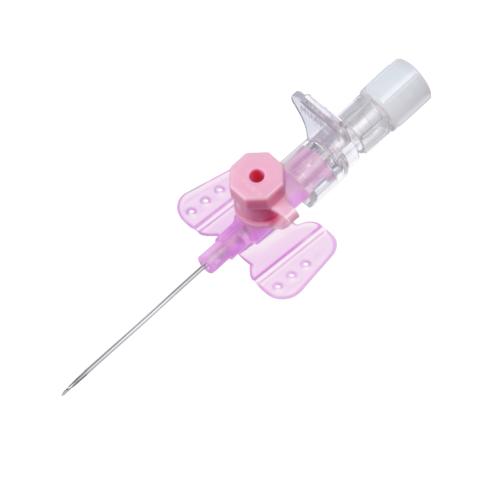
Legen: Die Vene sollte vor dem Scheren immer angestaut und palpiert werden. Bei Anzeichen von Phlebitis oder lokalen Hautentzündungen sollte eine andere Stelle gewählt werden. Die Punktionsstelle muss großflächig geschoren werden. Bei der Punktion von Venen oder dem Legen eines intravenösen Katheters handelt es sich um eine aseptische Tätigkeit, daher muss die Arbeitsfläche desinfiziert und eine hygienische Händedesinfektion durchgeführt werden. In einer prospektiven Studie aus der Humanmedizin sank das Risiko von PVK-assoziierten Komplikationen signifikant nach Händedesinfektion, während Händewaschen keinen Einfluss auf die Komplikationsrate hatte.5 Anschließend wird die Punktionsstelle desinfiziert. Dies kann durch Sprüh- oder Wischdesinfektion mit einem Antiseptikum auf Alkoholbasis erfolgen (z. B. Softasept® N). Wichtig ist es, die Einwirkzeit zu beachten.
Aus arbeitsschutzrechtlichen Gründen sollten keimarme Einmalhandschuhe verwendet werden. Nach der Desinfektion ist ein erneutes Palpieren des Gefäßes zu vermeiden. Das Gefäß wird punktiert und der Katheter in das Gefäß vorgeschoben, dabei ist darauf zu achten, dass der Katheter nicht das Fell berührt. Anschließend wird der Katheter fixiert und gespült.
Da es sich beim Legen von Venenkathetern um eine invasive Maßnahme handelt, muss diese mit Datum in der Patientenakte vermerkt werden. Bei Kathetern, bei denen die Asepsis nicht eingehalten wurde, z. B. in Notfallsituationen, sollte ein Wechsel des Katheters innerhalb von 24 Stunden5, 6 durchgeführt werden.
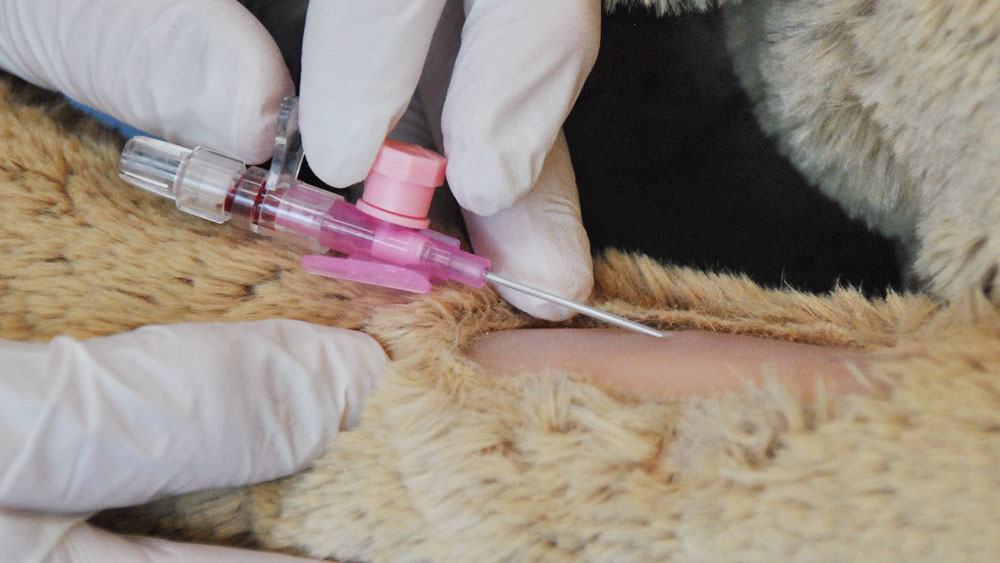
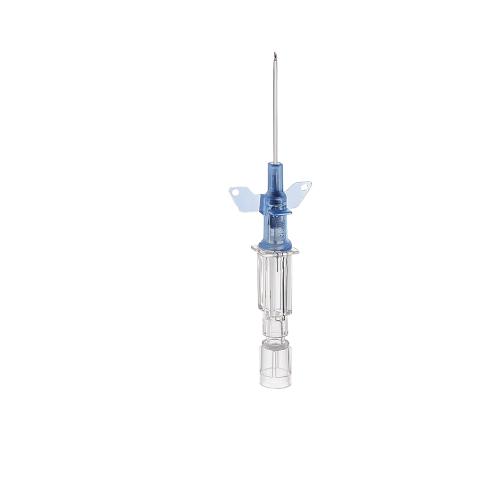
Material: Mehrere Studien haben den Vorteil von Polyurethan (PUR) und Teflon gegenüber anderen Materialien im Hinblick auf Phlebitiden dargestellt.7 B. Braun Katheter wie VasoVet®, IntroVet® und die Braunüle® Vet High Flow bestehen aus PUR.
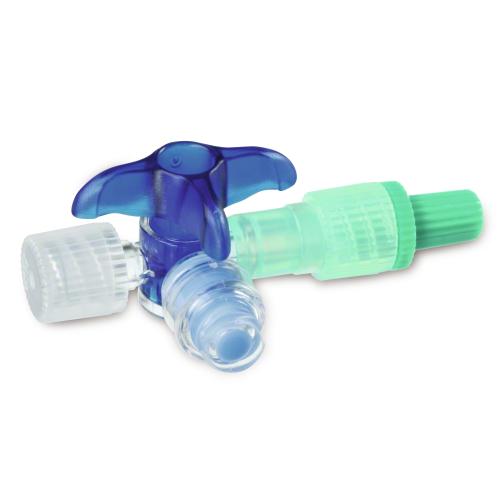
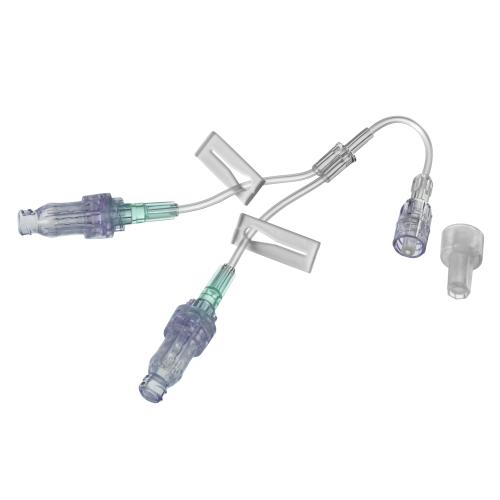
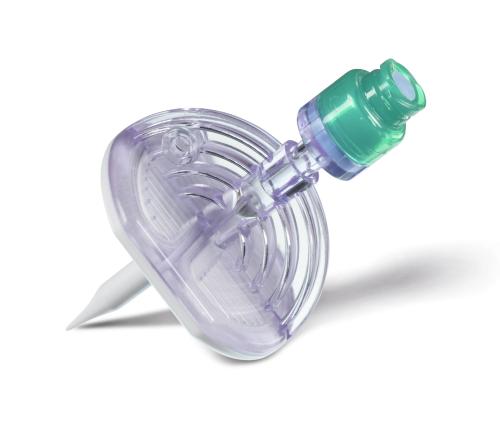
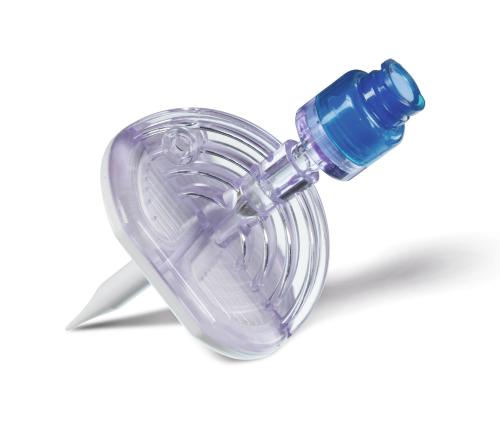
Pflege: Vor jeder Manipulation ist eine hygienische Händedesinfektion durchzuführen. Die Indikation für einen PVK sollte täglich überprüft werden. Katheter, die nicht mehr gebraucht werden, sollten entfernt werden. Der Verband sollte täglich gewechselt und die Einstichstelle auf Anzeichen einer Infektion/Phlebitis geprüft werden. Wir empfehlen die Anwendung einer Verlängerung mit einem nadelfreien Membranventil (CareSite®). Die glatte Oberfläche des CareSite® lässt sich vor der Medikamentenapplikation leicht durch Sprüh- oder Wischdesinfektion desinfizieren. Des Weiteren wird die Manipulation am Katheter selbst reduziert. Es ist davon auszugehen, dass dadurch weniger mechanische Reizung auf die Venenwand wirkt und die Gefahr einer Kontamination des Katheterhubs vermieden wird. Bei Diskonnektion verhindert der positive Druck im CareSite® Ventil, dass Blut in den Katheter eindringen und koagulieren kann. Die Anwendung von T-Konnektoren wird nicht empfohlen, da diese mit einem höheren Kontaminationsrisiko verbunden sind, im Vergleich mit Y-Konnektor wie dem CareSite®.8
Liegedauer: Es gibt in der Tiermedizin kaum Untersuchungen zu diesem Thema. Es ist zu vermuten, dass durch die hohe Zahl an Komplikationen (mechanisch und entzündlich) und die allgemein schlechte Handhygiene, Aussagen hierzu vorsichtig betrachtet werden sollten. Eine Studie legt den besten Zeitpunkt für den Katheter Wechsel mit 36 Stunden9 fest. Andere Autoren geben bis zu 72 Stunden an. Die Kolonisationsrate steigt zwar mit der Zeit, aber dies scheint keinen Effekt auf die Infektionsrate im Vergleich zu Kathetern zu haben, die 96 Stunden liegen.10 Bei hygienischem Umgang und gutem Management kann auf einen routinemäßigen Wechsel verzichtet werden. Alternativ sollte nach eigener Risikoanalyse ein Intervall festgelegt werden.6
Auf jeden Fall muss der Katheter und das Infusionsbesteck bei Anzeichen einer Phlebitis gewechselt werden.6,11
Schulungen: Eine gute Ausbildung für das Legen von Venenkathetern ist eine der Grundvoraussetzung für die Prävention von Katheterinfektionen.
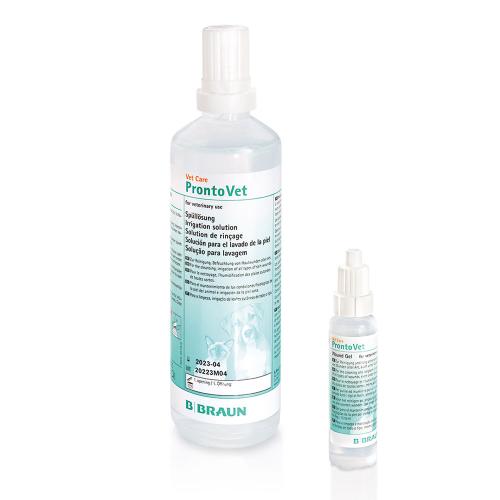
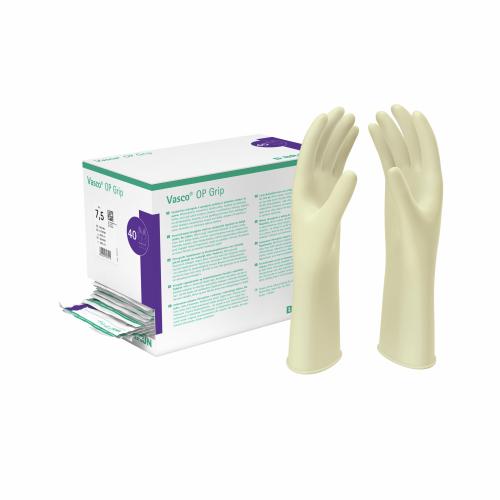
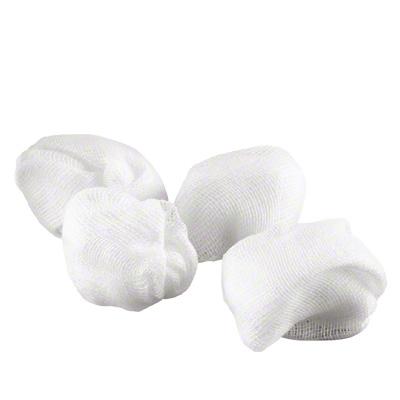
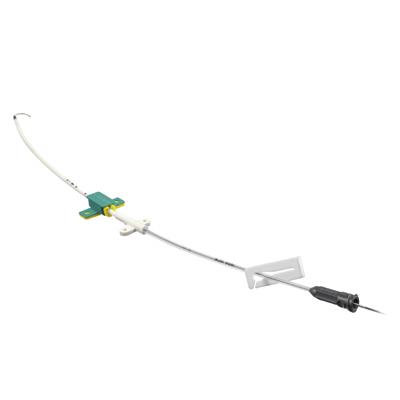
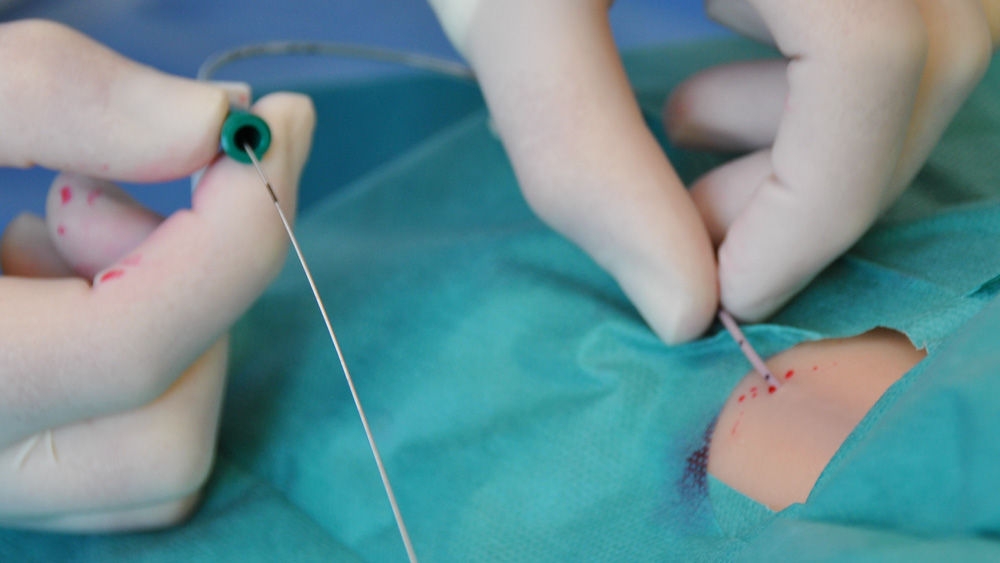
Legen: Als erstes wird eine hygienische Handdesinfektion durchgeführt, die Arbeitsfläche desinfiziert und steril abgedeckt. Die Punktionsstelle wird großflächig geschoren und wie für einen operativen Eingriff vorbereitet. Wir empfehlen die Vorreinigung der Haut mit einem Polyhexanid Schaum. Dadurch werden Schmutz und Talg sowie Mikroorganismen entfernt. Nach einer Minute Einwirkzeit kann die Stelle mit einem sauberen Tupfer getrocknet werden. Anschließend erfolgt die 2 Phasen-Desinfektion. Dabei wird das Areal entweder mit in Desinfektionsmittel (z. B. Braunoderm®) getränkten sterilen Tupfern (Askina® Schlinggazetupfer) und einer Kornzange (z. B. AESCULAP® Kornzange) oder durch Sprühdesinfektion (z. B. Braunoderm®) behandelt. Der Tierarzt sollte sich ebenfalls wie für eine Operation vorbereiten, d.h. Mundschutz und Haube anlegen, eine chirurgische Händedesinfektion durchführen (z. B. Promanum® pure) und einen sterilen Kittel und Handschuhe (z. B. Vasco® OP Grip) anlegen. Der Patient wird steril abgedeckt, der Katheter (z. B. Certofix®) inseriert und fixiert. Die Einstichstelle wird gereinigt (Prontovet® Solution). Danach wird ein Polyhexanid Wundgel (z. B. ProntoVet® Gel) auf die Einstichstelle aufgetragen. Mit einer sterilen Kompresse und einem Verband wird der Katheter anschließend geschützt.
Pflege: Vor jeder Manipulation muss eine hygienische Händedesinfektion (z. B. SoftaMan® pure) durchgeführt werden. Die Konnektionsventile, der Dreiwegehahn oder der Hub müssen vor jeder Gabe von Medikamenten oder Konnektion desinfiziert werden. Der Verband sollte mindestens alle 72 Stunden oder bei Verschmutzung gewechselt werden. Die Punktionsstelle sollte mit Alkohol zusammen mit einem remanenten Wirkstoff gereinigt werden (Softasept® N und ProntoVet®) und mit einem antiseptischen Wundgel (ProntoVet® Gel) benetzt werden. Durch Manipulation am Hub des Katheters, sowie am Drei-Wege Hahn kann es zu massiver Kontamination des Katheters kommen, Studien haben eine Rate von bis zu 20% gezeigt.12-16
Der Einsatz von nadelfreien Konnektionsventilen (CareSite®) kann die Kontaminationsrate senken.17-19 Voraussetzung dafür ist, dass das Personal vor der Einführung des nadelfreien Konnektionsventils mit dem Produkt vertraut gemacht und in der Anwendung geschult wird.
Die positiven Druckventile scheinen bei 7-tägiger Anwendung besser zu sein, als neutrale oder negative Verdrängungsventile (CareSite® ist ein positives Druckventil!).17, 20 Für das Spülen von Kathetern wird sterile 0,9% Kochsalzlösung verwendet. 21
Liegedauer: Die Indikationsstellung sollte täglich geprüft werden. Bei Hinweis auf Phlebitis und Entzündungen an der Einstichstelle muss der ZVK entfernt werden.
Schulungen: Das Personal muss im Umgang mit ZVKs regelmäßig geschult werden.
Bei der Zubereitung oder Rekonstruktion (Vorbereitung zur Anwendung) von Medikamenten, dem Aufziehen von Medikamenten oder der Vorbereitung von Infusionslösungen kann es zu Kontaminationen kommen. Diese können wiederum zu Katheter-assoziierten Infektionen oder Infektionen an der Injektionsstelle führen.
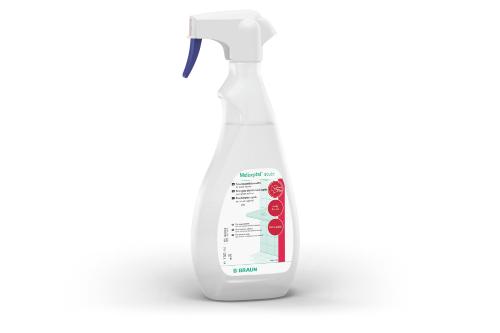
Vor jeder Zubereitung und Rekonstruktion ist die Arbeitsfläche zu desinfizieren (z. B. Meliseptol® acute) und eine Händedesinfektion (z. B. Softa-Man® pure) durchzuführen.
Auf eine aseptische Entnahme ist zu achten. Der Gummistopfen ist vor der Entnahme zu desinfizieren. Bei Mehrdosenbehältnissen empfiehlt sich die Nutzung von B. Braun Mini-Spike® / Minispike® 2.22